Hey, I'm Jor.
I build practical AI systems for real life.
I'm documenting Life OS, my personal AI assistant for private logs, scheduling, notes, travel, newsletters, and daily decisions. It already found $4,300/year in unused workplace benefits, replaced parts of my golf app with a voice-controlled caddy, and now turns useful signal into draft business opportunities.
Day job: construction code compliance. Side quest: building the operating system for my life and showing the messy parts as I go.
Start here
The quick map.
The brand is practical AI for real life: build the system, use it on messy human problems, then document what actually happened.
01
Life OS Agent
My personal AI assistant that connects private logs, notes, briefings, newsletters, and practical next actions.
02
Benefits Maximizer
The case study where Life OS found $4,300/year in unused workplace benefits and helped me claim $900 in one session.
03
Golf Caddy Module
A voice-controlled golf tracker that logs rounds hands-free, learns club distances, and suggests clubs from my own data.
04
JustJor Travel
The human side: Thailand, Vietnam, the Rockies, and whatever else I film while testing these systems in the real world.
About
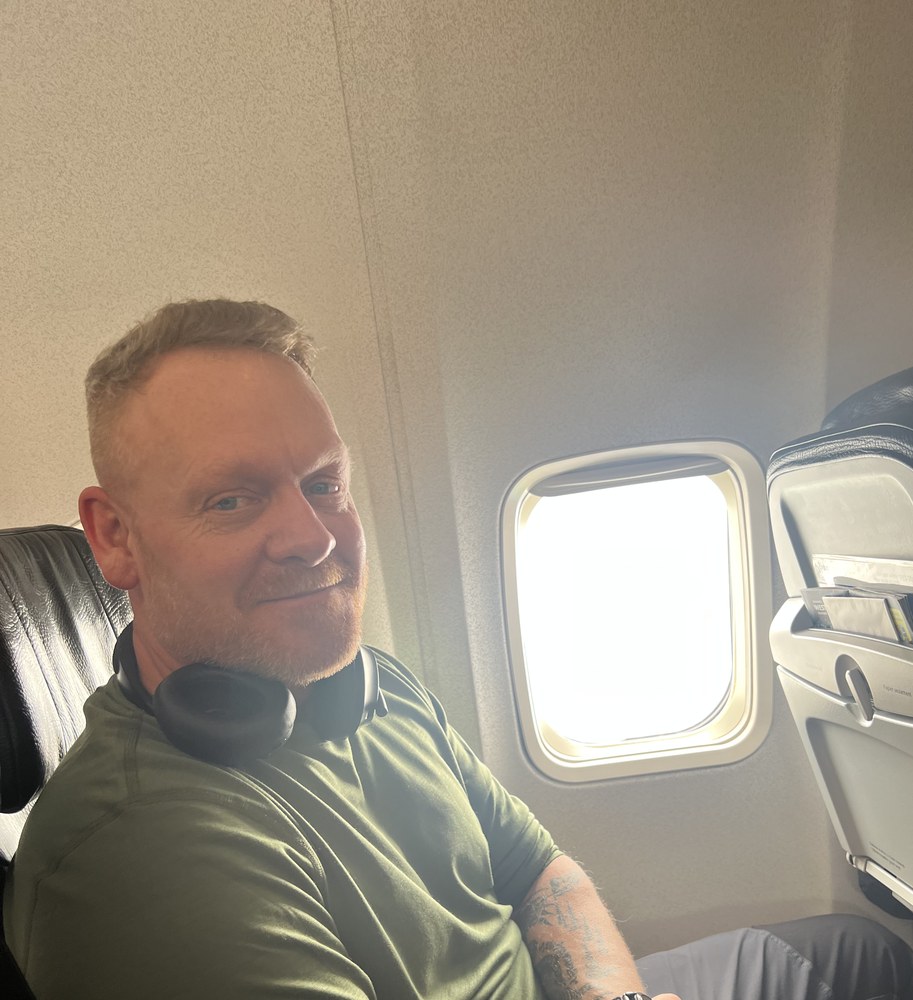
I'm Jor. By day I work in construction code compliance. By night I'm building things I wish existed.
What I'm building
The main project is Life OS — a personal AI assistant I wrote in Python that connects private logs, notes, scheduling, finance context, health context, newsletter intake, and daily decision support. The public version is the story of the system; the private version keeps the actual services, credentials, and raw data off the internet.
The most useful thing it's done so far: ran a full audit of my workplace benefits plan, found roughly $4,300/year I was leaving on the table, and walked me through claiming the $900 Personal Wellness Account in one session.
The newer modules are moving from tracking to action: Newsletter Intelligence filters what I subscribe to against active projects, and Revenue Scout turns that signal into draft-only business opportunities and outreach ideas I still approve by hand.
Why I'm documenting it
Most AI content is either hype or tutorials. I'm more interested in what happens when you wire AI into an actual life: meals, money, calendar chaos, benefits booklets, golf rounds, travel, missed receipts, and the weird failures along the way.
What else I do
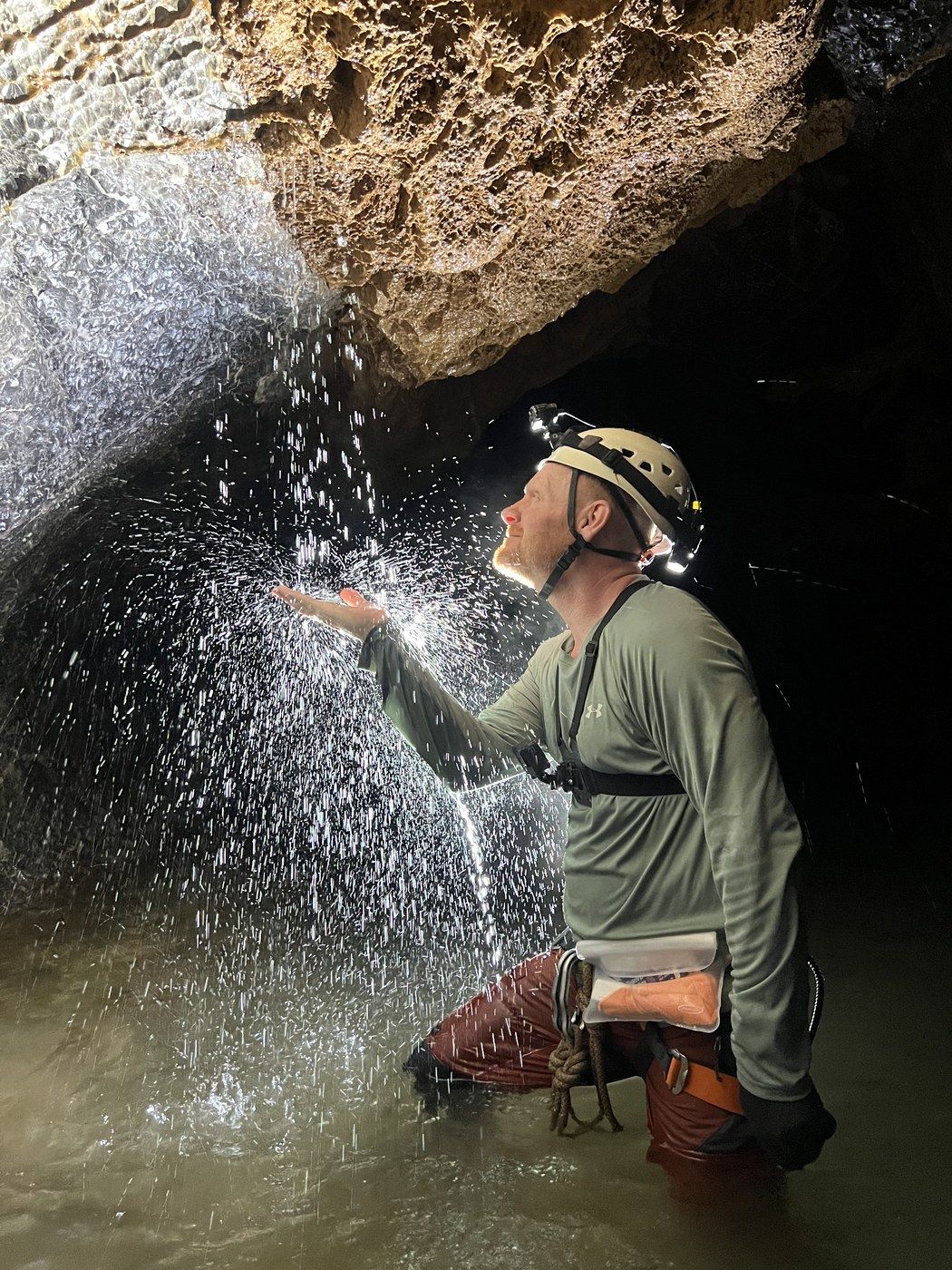
When I'm not building or doing safety inspections, I run a small YouTube channel called JustJor — travel content from Thailand, Vietnam, the Rockies, and wherever else the year takes me. The aesthetic is authentic and slightly gritty. The audience is small (24 subscribers as of writing). The intent is to grow it on my own terms.
This site is where I document the building — what works, what doesn't, what I'm learning.
Build
Life OS, AI agents, tools, and experiments.
Optimize
Health, money, time, benefits, and systems.
Explore
Travel, golf, snowboarding, YouTube, and real-world testing.
Document
What worked, what broke, and what I learned.

Featured
I built a bot that found $4,300/year of unused workplace benefits.
Most employees use 30-40% of the benefits their employer pays for. The rest expires December 31 every year. Not because people are lazy — because the booklets are 50+ pages of insurance jargon and HR can't legally tell you what to claim.
I asked my Life OS bot to read my plan booklet, cross-reference my claim records, and tell me what I was missing. Thirty minutes later it surfaced thousands in unused categories, including roughly $4,300/year I could realistically act on, and walked me through filing $900 of it the same afternoon.
The repeatable pattern - read the booklet, audit the buckets, surface the gaps, file the claims - is now a service I'm productizing for other employees who don't have a personal AI bot lying around.
Read the case studyProof
What Life OS looks like in practice.
These are public-safe sample outputs, not private screenshots or real account data. The point is the shape: real inputs, useful context, specific next actions.
Morning briefing
Daily context before the day starts
Morning brief
Recovery: lighter day suggested
Schedule: one field appointment
Nudge: submit eligible receipt
Meal tracking
Food photo to usable log
Photo received
Estimated: 42g protein | 610 kcal
Logged to daily nutrition note
Follow-up: low fiber so far
Benefits audit
Unused buckets turned into actions
Vision: unused balance
Wellness: eligible receipt found
Paramedical: category gap
Next action: file claim
Newsletter intelligence
Daily signal without the inbox slog
32 newsletters scanned
5 project-relevant items
Promo noise filtered out
Useful links saved for review
Revenue scout
Signal turned into business moves
Matched against active projects
5 opportunities surfaced
Outreach drafted
Nothing sent automatically
Golf caddy
Voice command to scorecard
shot 7 iron 150
stroke logged | club distance learned
what club for 150?
suggestion based on personal median
Projects
What I'm building.
Some shipped, some still cooking. Updated as things move.
Life OS Agent
ActivePersonal AI assistant. 100+ tools across 20+ Python modules. Connects private logs, notes, scheduling, newsletters, and daily decision support.
Revenue Scout
NewDraft-only agent that reads project-relevant signal and turns it into business opportunities, next actions, and outreach drafts I review manually.
Newsletter Intelligence
ShippedDaily intake layer that scans newsletters and surfaces only the items tied to active projects, interests, and useful work.
Benefits Maximizer
Case studyUsed my own bot to audit my workplace benefits plan. Found $4,300/year of unclaimed value. Now a productizable service for other employees.
JustJor YouTube
ExternalTravel and adventure content from Thailand, Vietnam, the Rockies, and wherever else the calendar opens. Authentic, slightly gritty, work in progress.
Golf Caddy Module
ShippedVoice-controlled score tracking that logs shots, putts, clubs, and distance notes hands-free while I play. It now learns my club distances and can suggest a club from my own data.
Now
What I'm working on now.
- Building Life OS into a full personal operating system
- Turning Benefits Maximizer into a simple, repeatable audit service
- Building agents that filter signal, find opportunities, and draft next actions
- Growing JustJor on YouTube without sanding off the weird edges
- Documenting practical AI workflows for regular people and small operators
Writing
Recent posts.
-
June 2, 2026
How I built a voice-controlled golf caddy in a day
I talk to my sunglasses, my AI bot logs every shot, and now it learns my club distances. No phone, no tapping. Plus the time the bot lied to me for ten minutes.
-
June 1, 2026
How I built a personal AI bot that found $4,300/year of unused workplace benefits
Most employees use 30-40% of the benefits their employer pays for. Here's how I built a bot that found mine, audited the buckets, and claimed $900 in one afternoon.